
Soil Nailing & Connecting Works

Soil Nailing & Connecting Works

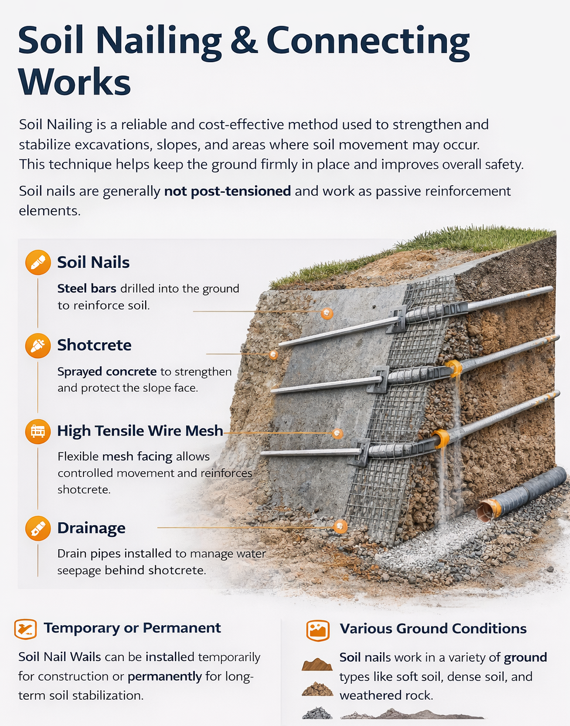
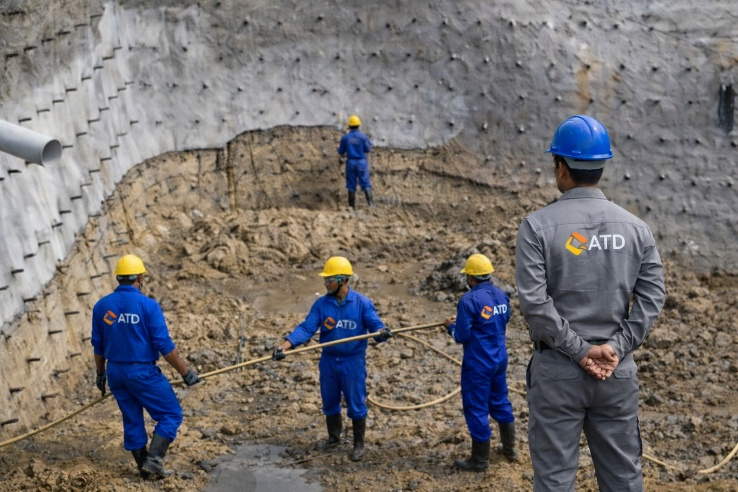
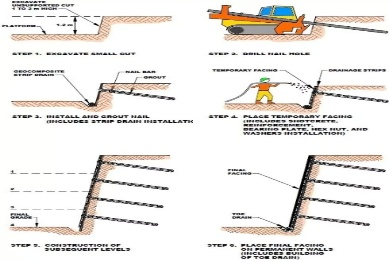
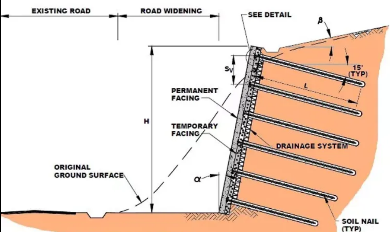
Soil Nailing is a reliable and cost-effective method used to strengthen and stabilize excavations, slopes, and areas where soil movement may occur. This technique helps keep the ground firmly in place and improves overall safety. Soil nails are generally not post-tensioned and work as passive reinforcement elements. Soil nails are steel bars that are drilled into the ground and grouted securely. They can be installed horizontally, vertically, or at an angle, depending on site conditions. Despite the name, soil nailing is suitable not only for soil but also for weathered rock and mixed ground conditions.

Facing & Connecting Systems

Based on project needs, soil nails can be installed with or without surface support. In most cases, a facing system is used to protect the soil surface and improve durability.

Soil Nail Walls can be:

  • Temporary(during construction), or
  • Permanent(for long-term stability)

Common facing options include:

  • Shotcrete
  • Reinforced concrete
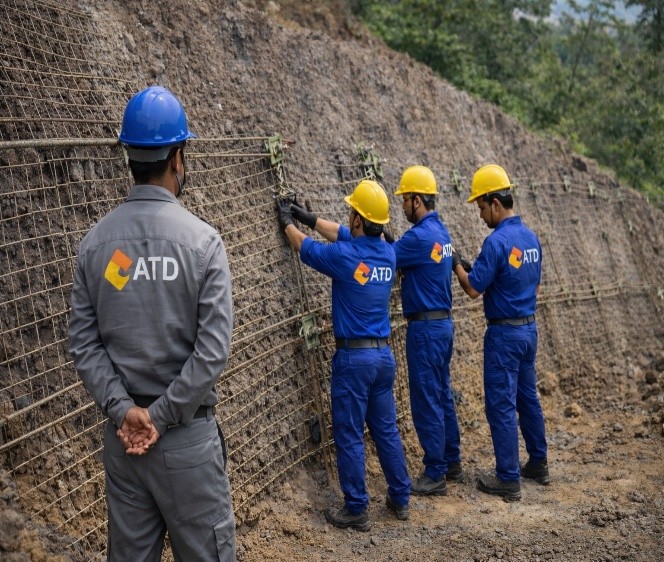
  • High tensile wire mesh
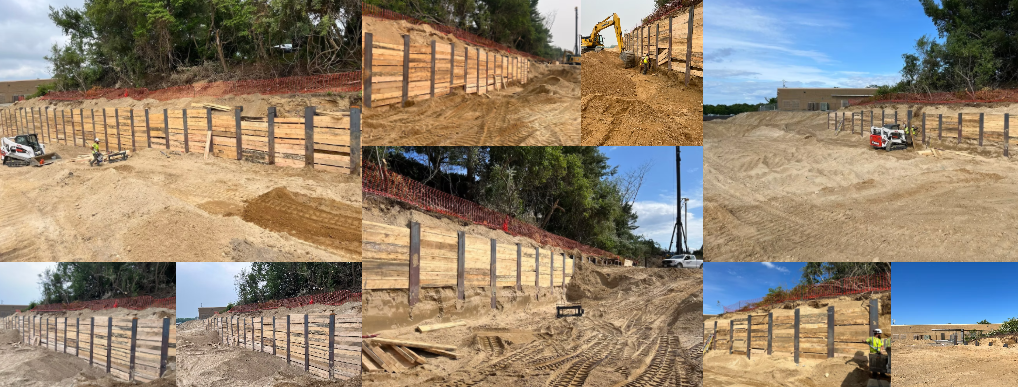
  • Timber or steel lagging

Permanent Soil Nail Walls

Permanent soil nail walls are designed to provide long-term protection for slopes, excavations, and cut faces. This system locks the soil mass in place and helps prevent future movement. Depending on design requirements, permanent walls may be constructed with or without facing.

High Tensile Wire Mesh Facing

High tensile wire mesh facing offers a strong yet flexible solution for soil nail walls. It allows controlled ground movement while maintaining stability. This method is ideal for steep slopes and can be combined with shotcrete or green cover for a natural appearance

Shotcrete Facing

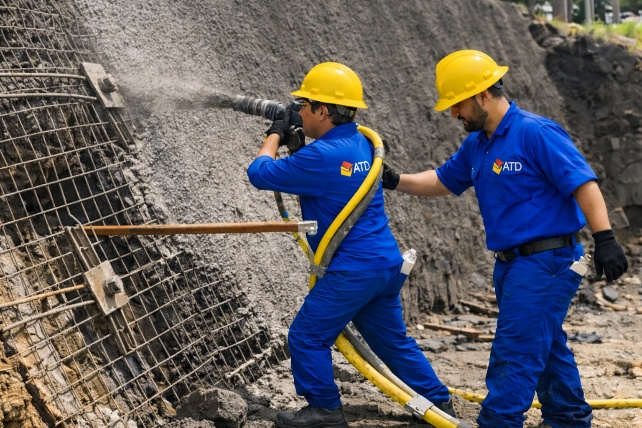
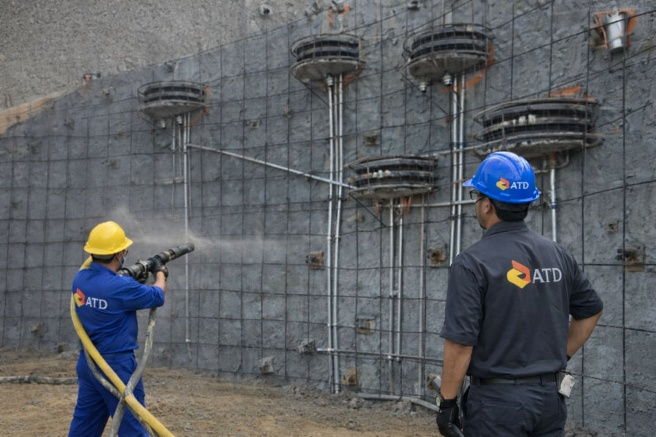
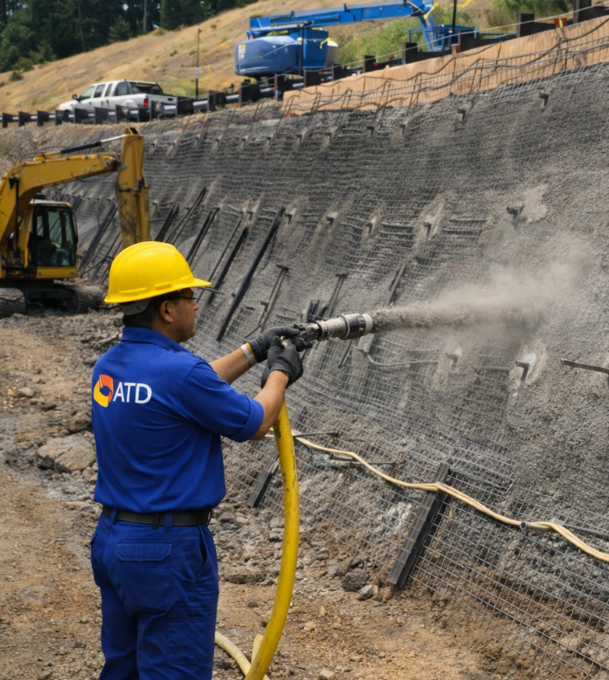
Shotcrete facing creates a solid and durable surface over soil nail walls. Steel reinforcement within the shotcrete improves strength and load distribution.
To manage water seepage, drainage systems are installed behind the shotcrete, ensuring long-term performance and safety

Support of Excavation (SOE)

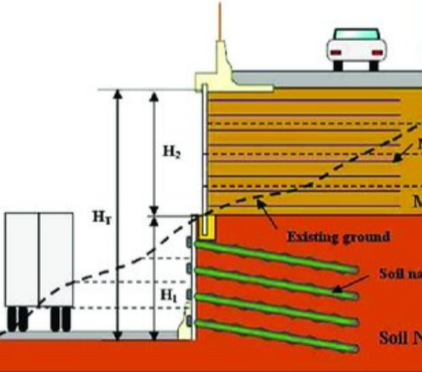
Excavations deeper than 3 to 6 feet require proper ground support. Soil nail walls are an effective Support of Excavation (SOE) solution, providing both temporary and permanent stability. They are widely used in infrastructure, road widening, basements, and other construction projects where space is limited.

We provide expert Soil Nailing and Connecting Works for industrial, infrastructure, and civil engineering projects, delivering robust slope stabilization, deep excavation support, and ground retention solutions.

We have successfully completed works for M/s Hindustan Construction Company, M/s Madras Fertilizers Limited (Chennai), M/s RPP Construction, and M/s Reliance, completing over 2,00,000+ sq. ft. of Soil Nailing and Connecting Works with strict adherence to quality, safety, and engineering standards.

Our integrated approach combines engineering precision, advanced construction techniques, and rigorous quality control, ensuring safe, durable, and cost-effective soil stabilization solutions for your projects.

Our Services Include

Drilling & Borehole Preparation

Rotary and hydraulic drilling in soil, weathered rock, and hard strata Accurate borehole alignment, depth verification, and casing installation
Soil Nail & Anchor Installation

High-tensile steel bars or threaded bars with centralizers Proper spacing and inclination to ensure structural stability
Grouting & Bonding

Primary and secondary cementitious grouting for load transfer Chemical grouting for challenging soil conditions
Anchoring & Connection Works

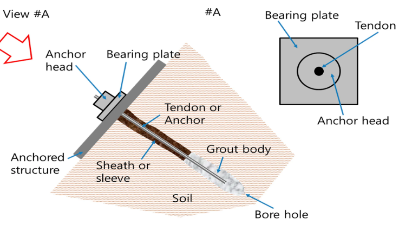
Bearing plates, anchor heads, washers, and locking nuts installation Integration with shotcrete and retaining structures
Surface Reinforcement & Shotcrete

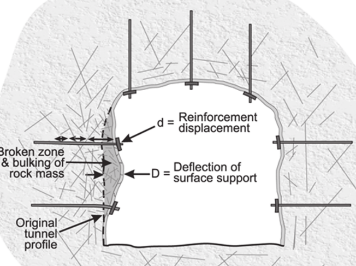
Welded wire mesh for soil movement control Wet or dry shotcrete application to required thickness Curing and surface finishing for long-term durability
Quality Assurance & Testing

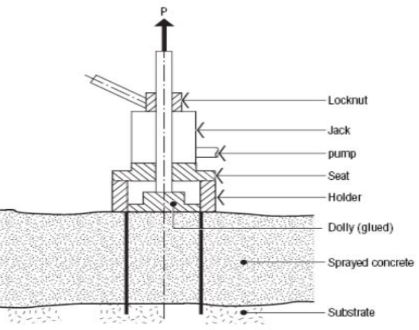
Load testing and pull-out tests of soil nails and anchors Non-destructive testing for grout and concrete integrity Compliance with IS codes and international standards
Applications

Basements and deep excavations Retaining walls and embankments Flyovers, highways, and tunnels Industrial and urban infrastructure projects